Office Cleaning in W10: Creating Cleaner, Healthier, and More Productive Workspaces
Office cleaning in W10 is more than a routine task; it is a key part of maintaining a professional environment where employees can stay focused, visitors feel welcome, and business operations run smoothly. In a busy area like W10, offices of all sizes face daily challenges from foot traffic, dust, shared surfaces, kitchen use, washroom upkeep, and the general wear that comes with modern working life. A reliable approach to office cleaning in W10 helps keep these spaces fresh, hygienic, and ready for business every day.
Whether your workplace is a small creative studio, a shared coworking space, a law office, or a larger commercial premises, the standard of cleanliness can shape first impressions and affect day-to-day wellbeing. Professional office cleaning in W10 supports a tidy workplace, reduces allergens, and helps create the kind of setting where staff can do their best work. It is also a practical way to protect office furnishings, flooring, and equipment over time.
For businesses in W10, finding the right office cleaning solution often means balancing consistency, flexibility, and attention to detail. The best results usually come from a cleaning plan tailored to the building, the number of employees, the nature of the work, and the hours the office is occupied. Good cleaning is not just about appearance; it is about creating a better work environment every day.
Why Office Cleaning in W10 Matters

Clean offices make a strong statement. They show that a business values professionalism, care, and the comfort of everyone who enters the premises. In W10, where offices may serve clients, suppliers, staff, and members of the public, office cleaning in W10 plays an important role in shaping reputation. A spotless reception area, polished meeting room, and well-kept kitchen instantly communicate reliability.
There are also practical reasons to invest in office cleaning in W10. Dust, spills, and clutter can lead to a less efficient workspace, while neglected washrooms and communal areas can quickly become unpleasant. Regular cleaning helps reduce the build-up of germs on high-touch surfaces such as door handles, desks, lift buttons, light switches, and shared equipment. This is especially important in busy offices where people move in and out throughout the day.
Another major benefit is employee wellbeing. People tend to feel better and work more comfortably in a clean environment. Fresh air, tidy desks, and hygienic shared spaces can reduce distractions and support concentration. Over time, office cleaning in W10 can contribute to lower absenteeism and improved morale, making it an investment that benefits both the workplace and the wider business.
Key benefits at a glance
- Improves first impressions for clients and visitors
- Supports staff health and workplace hygiene
- Helps maintain carpets, floors, and furniture
- Reduces clutter and creates a more organised space
- Promotes a professional company image
What Office Cleaning in W10 Typically Includes
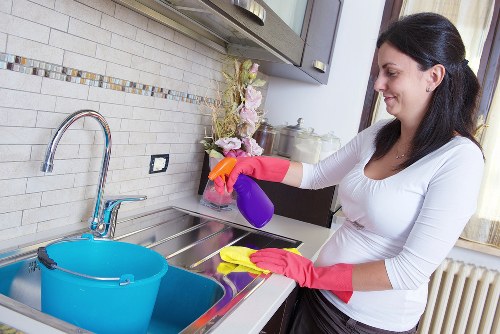
Office cleaning in W10 usually covers a wide range of tasks designed to keep every part of the workspace in good condition. The exact checklist may vary depending on the size and style of the office, but most services focus on daily hygiene, presentation, and maintenance. A well-planned cleaning schedule often includes both visible cleaning and more detailed tasks that are easy to overlook.
In many offices, the main focus areas include reception spaces, desks, meeting rooms, kitchens, toilets, corridors, and communal break areas. These are the parts of the building that receive the most use, so they often need the most attention. Thorough office cleaning in W10 should also include waste removal, surface sanitising, and restocking basic consumables where required.
Professional teams may also take care of floor care, internal glass, skirting boards, bins, and spot cleaning for walls or doors. Depending on the arrangement, some companies also request specialist services such as carpet cleaning, upholstery care, or deep sanitisation. Tailoring the service to the office layout ensures that nothing important is missed.
Common office cleaning tasks
- Dusting desks, shelves, and office furniture
- Vacuuming carpets and mopping hard floors
- Cleaning and sanitising shared surfaces
- Emptying bins and replacing liners
- Wiping kitchen counters and appliances
- Disinfecting toilets and washroom facilities
- Cleaning internal glass and mirrors
- Removing marks from doors, switches, and touch points
Choosing the Right Office Cleaning Approach in W10
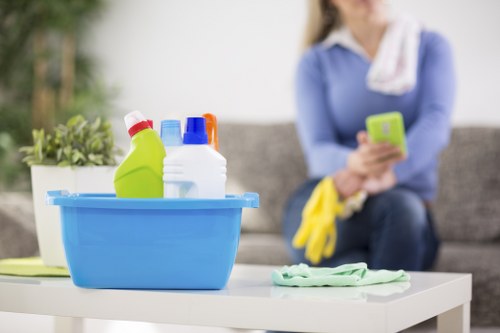
Every office has different cleaning needs, which is why a flexible approach matters so much. A small office with a handful of staff may need a simple daily clean, while a larger multi-room workspace may require a more detailed schedule. The best office cleaning in W10 starts with a clear understanding of how the building is used. This helps create a service that is efficient, practical, and suited to the specific environment.
Some offices need cleaning early in the morning before staff arrive, while others prefer evening cleaning after working hours. There are also workplaces that need daytime support to keep busy areas under control throughout the day. The right schedule can make all the difference to how well the service fits into your operations. Businesses in W10 often benefit from a cleaning plan that avoids disruption while maintaining consistently high standards.
It is also worth considering the materials and finishes in your office. Carpets, laminate floors, glass partitions, and specialist furniture all require different care. Using the correct cleaning methods helps preserve the condition of the workplace and avoid unnecessary damage. With office cleaning in W10, the most effective results usually come from combining routine upkeep with occasional deep cleaning where needed.
Factors to consider
- Size of the office and number of staff
- Daily foot traffic and frequency of use
- Presence of shared kitchen and washroom areas
- Special surfaces, flooring, or equipment
- Preferred cleaning times and access arrangements
The Role of Hygiene in Modern Office Cleaning in W10
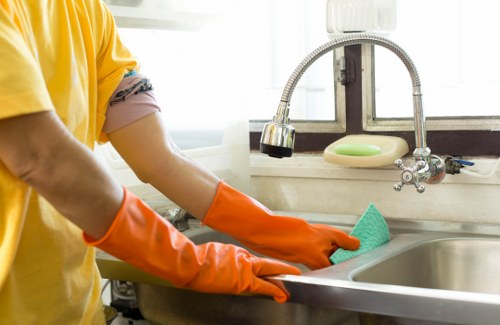
Hygiene has become a central part of office cleaning in W10, especially as businesses place more emphasis on health, safety, and comfort. Shared workplaces are full of contact points, which means germs can spread quickly if surfaces are not cleaned regularly. High-touch cleaning has therefore become one of the most important parts of a professional office cleaning plan.
Desks, keyboards, mice, phones, stair rails, taps, coffee machine buttons, and toilet fixtures all need consistent attention. In addition to visible cleaning, sanitising these areas helps reduce the risk of cross-contamination. A hygienic office is not only cleaner to look at; it is also safer and more reassuring for the people who use it.
Washrooms and kitchens deserve special care because they are used frequently and can easily become sources of unpleasant odours or poor presentation if neglected. Office cleaning in W10 should always prioritise these spaces with suitable products and a regular routine. Fresh, well-stocked, and sanitised communal areas help staff feel more comfortable throughout the working day.
Why hygiene matters so much
- Supports a healthier workplace environment
- Reduces the spread of germs on shared surfaces
- Improves comfort in kitchens and washrooms
- Enhances confidence for staff and visitors
- Helps maintain a professional business image
Hygiene-focused routines
In many workplaces, the most effective office cleaning in W10 includes a balance of daily surface sanitising, weekly deeper cleaning, and periodic attention to high-risk areas. This layered approach helps keep the office fresh without creating unnecessary disruption. It also ensures that hygiene standards remain high even in busy periods.
Deep Cleaning and Periodic Maintenance in W10 Offices
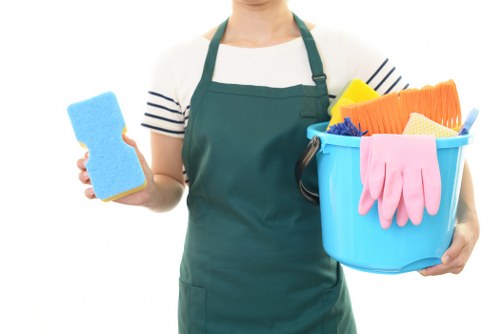
While regular cleaning keeps an office presentable day to day, deeper maintenance is essential for long-term condition and hygiene. Deep office cleaning in W10 typically targets areas that do not need daily attention but still collect dust, grime, and hidden debris over time. This can include behind furniture, under desks, around skirting boards, inside cupboards, and along edges where dirt often builds up unnoticed.
Periodic maintenance may also cover carpets, upholstered seating, blinds, vents, and hard-to-reach areas. These tasks help remove embedded dirt and improve the overall freshness of the workplace. Deep cleaning can make a noticeable difference to air quality, appearance, and the lifespan of office fixtures.
Businesses in W10 often arrange deep cleaning on a monthly, quarterly, or seasonal basis, depending on their usage and expectations. Offices with more visitors or higher staff numbers may need it more often. When combined with routine cleaning, periodic maintenance creates a stronger and more complete cleaning standard.
Deep cleaning may include
- Carpet shampooing or hot water extraction
- Upholstery and chair cleaning
- Internal window and glass detailing
- High-level dusting and vent cleaning
- Detailed kitchen and washroom sanitisation
- Edge and corner debris removal
Long-term value of maintenance
Regular deep office cleaning in W10 can also reduce the need for replacement of furniture and flooring. By dealing with dirt early, businesses can avoid stains, odours, and wear that become harder to correct later. This makes maintenance an important part of protecting office assets as well as keeping the environment attractive.
How Office Cleaning in W10 Supports Productivity
There is a strong connection between cleanliness and productivity. A tidy office helps people concentrate, find what they need, and move through the workday with fewer distractions. When desks are uncluttered and communal spaces are clean, employees can spend more time focusing on their tasks and less time dealing with unnecessary mess. This is one of the main reasons office cleaning in W10 is so valuable to modern businesses.
In organised spaces, meetings tend to run more smoothly and staff can collaborate more effectively. Clean surroundings also improve the experience of visitors, which matters for businesses that host clients or partners regularly. A well-maintained office creates a sense of order that often carries through to the rest of the business.
There is also a psychological element to consider. People often feel more motivated in a space that looks cared for. Fresh floors, clean desks, and tidy communal areas can help reduce stress and support a more positive workplace culture. Office cleaning in W10 is therefore about more than hygiene; it is part of building a better everyday environment.
Office Cleaning in W10 for Different Types of Workplaces
Not all offices are the same, which is why office cleaning in W10 must adapt to the setting. A corporate headquarters may need structured, high-frequency cleaning with strict attention to reception areas and boardrooms. Meanwhile, a creative studio may focus on flexible cleaning around shared desks, open-plan zones, and social spaces.
Medical-adjacent offices, estate agencies, professional services firms, and coworking hubs all have different expectations too. Some require heightened hygiene, while others place greater emphasis on presentation or regular waste control. Matching the cleaning plan to the business type helps ensure the service is effective and efficient.
Workplaces with public access may need more frequent cleaning of entrances, waiting areas, and toilets. Offices with fewer visitors may prioritise desks, kitchens, and internal meeting spaces instead. The most successful office cleaning in W10 usually reflects how the workplace is actually used, not just how it looks on paper.
Examples of tailored office cleaning needs
- Open-plan offices: frequent dusting and shared-surface sanitising
- Professional service firms: polished reception and meeting rooms
- Coworking spaces: flexible cleaning throughout the day
- Small businesses: efficient routines for compact spaces
- Client-facing offices: strong focus on presentation and hygiene
Best Practices for Maintaining Clean Offices in W10
Although professional services play a major role, maintaining cleanliness is also easier when the workplace follows a few simple habits. Staff support can help keep the office cleaner between visits and make the overall cleaning process more effective. Office cleaning in W10 works best when it is supported by a culture of shared responsibility.
Encouraging employees to keep desks tidy, dispose of waste properly, and clean up after using kitchens or meeting rooms can reduce the burden on cleaning teams. Likewise, storing supplies neatly and avoiding unnecessary clutter makes it easier to clean surfaces thoroughly. Small habits, repeated consistently, can make a big difference to the whole office environment.
Clear expectations are also useful. When staff know where items should be stored and how communal areas should be left, the office tends to stay cleaner for longer. In a busy workplace, organisation and cleanliness usually go hand in hand.
Practical maintenance tips
- Keep desks clear at the end of each day
- Wipe up spills as soon as they happen
- Empty personal bins regularly
- Store shared items in designated spaces
- Report maintenance issues promptly
Why Local Knowledge Matters for Office Cleaning in W10
Choosing office cleaning in W10 with local knowledge can offer practical benefits. A provider familiar with the area is more likely to understand the pace of business, access issues, parking limitations, and the expectations of local companies. This can make scheduling easier and help ensure the service runs smoothly from the start.
Local awareness can also support better responsiveness. If something changes at the office, such as new staff, different hours, or additional rooms being used, a local team may be better placed to adapt quickly. Flexibility is an important part of reliable office cleaning in W10.
For businesses that want steady standards and minimal disruption, choosing a service that understands the local commercial environment can be a smart move. It often leads to better communication, more practical planning, and a cleaner workplace overall.
What a good local service should offer
- Consistent cleaning quality
- Flexible scheduling options
- Attention to detail in shared areas
- Ability to adapt to changing workplace needs
- Clear and reliable service routines
Making Office Cleaning in W10 Work for Your Business
The best office cleaning in W10 is the kind that fits naturally into the working day. It should support productivity, maintain hygiene, and keep the office looking its best without causing interruptions. To achieve that, many businesses benefit from a clear cleaning plan that sets out the tasks, frequency, and priority areas for the building.
It can also help to review cleaning needs regularly. As businesses grow, reduce staff numbers, change layout, or welcome more visitors, their cleaning requirements may shift. A good plan should evolve alongside the workplace. Consistency matters, but so does adaptability.
By thinking of office cleaning in W10 as an ongoing part of workplace care rather than a one-off chore, businesses can protect their environment, support their team, and make stronger impressions every day. Clean offices are more comfortable, more professional, and easier to manage.
Final Thoughts on Office Cleaning in W10
Office cleaning in W10 is an essential service for businesses that want to maintain a polished appearance, healthier conditions, and a more productive atmosphere. From routine dusting and floor care to washroom hygiene and deeper maintenance, every part of the service contributes to a better workplace. The right cleaning approach supports staff wellbeing, visitor confidence, and long-term property care.
If your workplace is ready for a cleaner, fresher, and more organised environment, now is the time to take action. Contact us today to discuss office cleaning in W10 that matches your business needs, or book your service now to keep your office looking its best throughout the year.