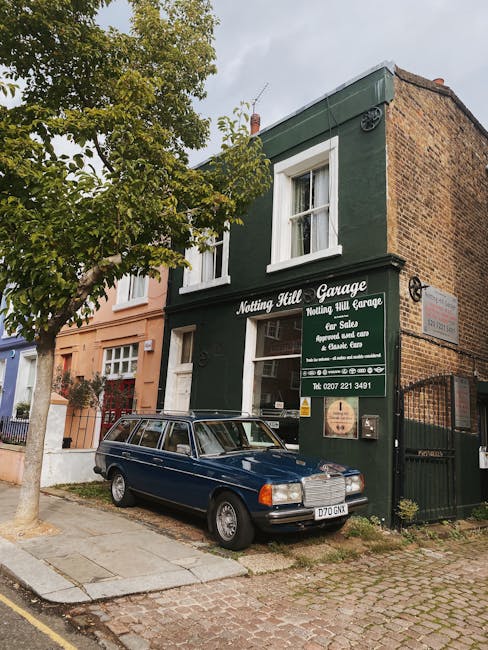
Skip, van and parking permits for Notting Hill jobs
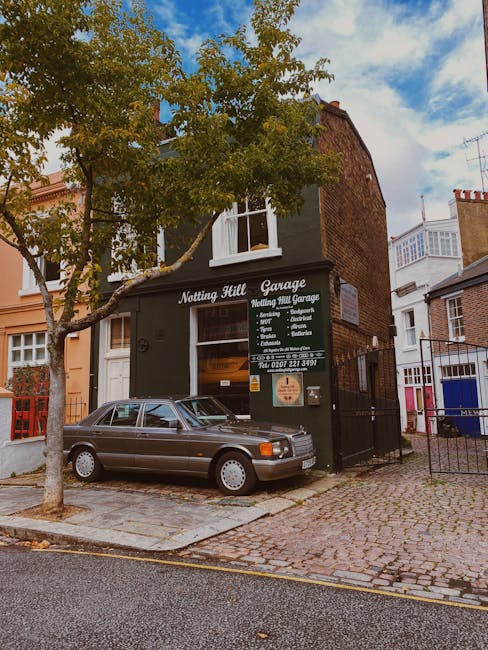
Planning a job in Notting Hill sounds simple until the vehicle, the skip, and the parking all need to land in the same place at the same time. That is usually where the headaches begin. If you are arranging a clean, clearance, refurbishment, or any service that involves loading materials in and out, understanding skip, van and parking permits for Notting Hill jobs can save time, money, and a fair amount of stress.
In a busy London neighbourhood, access is often the hidden part of the job. A van can arrive late because of loading restrictions, a skip may need permission before it can sit on the road, and a parking bay that looked available in the morning can disappear by lunchtime. This guide breaks the whole thing down in plain English, so you can plan properly, avoid avoidable delays, and make a sensible call before work starts.
We will cover how it works, who needs what, the common mistakes people make, and the practical steps that keep a job moving. Nothing fancy. Just the sort of advice that helps on a real weekday, when the street is narrow and somebody's already double-parked outside the mews.
Why Skip, van and parking permits for Notting Hill jobs Matters
Notting Hill is one of those areas where access can shape the entire job. Roads can be busy, parking can be tight, and some properties sit in streets where space disappears quickly. If you are arranging a skip, a larger van, or even a short loading stop, the logistics matter as much as the work itself.
For many jobs, the real challenge is not the task inside the property. It is getting people, equipment, and waste in and out cleanly. A missed permit or poor parking plan can lead to delays, extra charges, rushed labour, or the awkward moment when a driver circles the block looking for somewhere legal to stop. Nobody needs that, least of all on a wet Tuesday morning.
There is also a client-experience side to this. When access is planned well, the job feels smoother and more professional. Materials arrive on time, waste leaves on time, and the site stays safer. If you are using a trusted cleaning company, this kind of planning is often part of the service quality that separates a calm project from a chaotic one.
One more thing: if the job involves waste-heavy work such as decluttering, deep cleans, or post-build clearance, it is worth thinking about disposal and sustainability together. That is where a sensible plan, and sometimes a link with services like house clearance or recycling and sustainability, can make the job cleaner in every sense.
How Skip, van and parking permits for Notting Hill jobs Works
At a practical level, the process usually comes down to three separate questions: where will the vehicle stop, where will the skip sit, and how long will the job take? Those answers determine whether you need parking permission, a skip licence, or just a well-timed arrival and a legal loading arrangement.
Vans and parking access
For van-based jobs, the priority is usually loading and unloading. A short stop may be possible in a loading bay, shared parking bay, or another permitted space, but the window can be tight. In streets with restrictions, you may need to plan arrival around allowed times rather than assuming you can just pull up and get started.
That means measuring the job realistically. If you know there are multiple rooms, several heavy items, or equipment that must be carried in carefully, give yourself more time than you think you need. In our experience, underestimating access time is one of the most common reasons jobs feel rushed from the start.
Skips and road placement
A skip placed on a public road normally needs permission. The exact process and timing can vary, so it is always wise to allow enough lead time before the work begins. If the skip can fit on private land, that may be simpler, but Notting Hill properties do not always offer much spare space. To be fair, many don't.
The main question is whether the skip is sitting on private property or public highway. That single detail changes the planning. If it is on the road, the operator generally needs to make sure the placement is legal, visible, and safe. If access is awkward, a smaller skip, a van-load system, or a staged collection approach may be more efficient.
Parking permits and bay management
Parking for job vehicles often depends on the type of stop required. A quick loading stop is different from a longer parked position. Some jobs can work with a short, tightly managed visit; others need reserved space. In a busy part of West London, the difference can be the difference between a smooth day and a day spent hunting for gaps in traffic.
Where parking is limited, good planning can include:
- arrival windows that avoid peak congestion
- short, well-defined loading periods
- using the smallest practical vehicle
- pre-booking a location where legal parking is available
- keeping the team briefed on the access route before they leave
Key Benefits and Practical Advantages
Sorting permits and parking early may feel like admin, but it pays off in very concrete ways. The benefits are not theoretical. You notice them on the day.
- Fewer delays: the team can start on time instead of waiting for someone to move a car or find legal space.
- Lower risk of fines or enforcement issues: when parking and skip placement are planned properly, the odds of a penalty drop sharply.
- Safer working conditions: less shuffling, fewer awkward carries, and better control over heavy items.
- Better cost control: less downtime usually means less wasted labour.
- Less disruption to neighbours: important in residential streets where access is already tight.
There is also a client confidence benefit. People tend to relax when they can see the logistics are under control. A tidy vehicle plan, a properly positioned skip, and a crew that knows what it is doing make a much better impression than last-minute scrambling.
If the job also involves internal work, using the right cleaning service can help reduce on-site clutter. For example, a move-out, post-refurbishment, or deep tidy may go more smoothly with support from end of tenancy cleaning, after builders cleaning, or deep cleaning, depending on the condition of the property.
Who This Is For and When It Makes Sense
This topic matters to a fairly wide group of people. If your work involves access, waste, bulky equipment, or a property in a tight street, you are probably in scope whether you think of yourself as a facilities person, a contractor, a cleaner, or just someone trying to get a job done properly.
Typical people who need to think about permits
- cleaning teams working in larger homes or shared buildings
- landlords preparing a flat for new tenants
- builders and decorators with material deliveries and waste removal
- property managers arranging clearance or refresh work
- householders doing a major clear-out
- commercial teams handling office access or equipment delivery
The topic makes the most sense when the job is time-sensitive or access-limited. A small local task with one person and one bag of rubbish is one thing. A full property clean with equipment, linens, waste sacks, and a tight arrival window is something else entirely. And yes, that distinction matters more than many people expect.
If your job is commercial, a reliable plan for access can be just as important as the service itself. Many teams pairing logistics with office cleaning or office cleaners will already know that the building rules, street restrictions, and loading arrangements have to line up before the work can happen.
Step-by-Step Guidance
Here is a practical way to plan skip, van and parking permits for Notting Hill jobs without overcomplicating it.
- Define the job size. Estimate how much waste, equipment, or material needs moving. A one-hour visit and a full-day clearance are not the same thing.
- Check the access type. Can a van park legally close by? Is there private space? Is the skip going on the road or within the property boundary?
- Work out the vehicle size. A smaller van is often easier to place and quicker to unload. Bigger is not always better. Sometimes it is just bigger.
- Allow for restrictions. Loading times, resident bays, yellow lines, and local restrictions can all affect the timing.
- Arrange permission early. If a permit or licence is required, do not leave it until the last minute. Build the timing into the booking.
- Tell everyone the plan. Drivers, cleaners, contractors, and customers should know where the vehicle will go, who is meeting it, and how long it can stay.
- Keep a backup option. If one access plan fails, have a second option ready. A side street or later slot can save the day.
That last point is underrated. The best plans are the ones that still work when one small thing goes wrong. A blocked bay, a delayed key handover, or a van that arrives two minutes late can throw off a whole sequence if there is no backup.
Expert Tips for Better Results
A few small adjustments can make a big difference.
- Measure the route from vehicle to property. It sounds basic, but the difference between ten metres and fifty metres is massive when you are carrying bags or equipment.
- Check for steps, tight corners, or narrow hallways. These details affect unloading time more than people expect.
- Match the vehicle to the street. A large van can be awkward in a narrow Notting Hill road. Sometimes a smaller vehicle or split load works better.
- Use the earliest practical slot. Streets are often calmer first thing. Not always, but often enough to matter.
- Keep waste sorted. Mixed loads create more hassle than they save. Separate what can be reused, recycled, or removed in stages.
One practical note from the field: if a job includes cleaning fragile items, carpets, or upholstery, access planning is even more useful because it reduces the chance of knocks, spills, or repeated carrying. Services like carpets cleaner, upholstery cleaning, and window cleaning often benefit from a clear route and a clear parking plan.
Expert summary: In a dense neighbourhood like Notting Hill, the best access plan is not the one with the biggest vehicle or the fastest guess. It is the one that matches the street, the job size, and the actual time on site.
Common Mistakes to Avoid
Most access problems come from a handful of predictable mistakes. The good news is that they are easy to avoid once you know what to watch for.
- Leaving permits too late. This is the classic one. A job gets booked, everyone feels organised, and then the access paperwork becomes urgent at the worst possible moment.
- Assuming a van can "just stop". In restricted streets, assumption is expensive.
- Choosing the wrong vehicle size. Too large, and you struggle to park. Too small, and you create extra runs.
- Forgetting about neighbours and building users. In a shared street, one blocked entrance can quickly become everyone's problem.
- Not planning the waste route. If the item leaves the building but has nowhere sensible to go next, the team wastes time moving it twice.
- Ignoring weather. Rain changes carrying conditions, especially with cardboard, soft furnishings, or slippery paths.
The slightly annoying truth is that many of these mistakes are avoidable with five minutes of planning. Five minutes. Yet people still skip it. We have all done it once, perhaps, and regretted it by lunch.
Tools, Resources and Recommendations
You do not need a complicated system to manage access well. A few simple tools and habits go a long way.
- Site notes: write down entrance details, bay restrictions, gate codes, or any awkward access points.
- Arrival checklist: confirm the vehicle size, parking arrangement, and contact person before the team leaves.
- Photo references: if safe and appropriate, a quick photo of the frontage or access point can prevent misunderstandings.
- Job timing estimate: keep a realistic note of how long loading and unloading actually takes.
- Service scope list: know whether the job is a one-off clean, a full property refresh, or a larger clearance.
For service planning, it can help to compare the type of work with the kind of support needed. A simple tidy may only require one-off cleaning. A full turnaround might need domestic cleaning or house cleaning. If a property has been left with a lot of contents, house clearance may be the more practical starting point.
And yes, paperwork matters too. Before accepting any service plan, check the provider's terms and conditions, payment and security, insurance and safety, and health and safety policy. It is not thrilling reading, granted, but it does tell you a lot about how seriously they take risk and responsibility.
Law, Compliance, Standards, or Best Practice
For jobs involving skips, vans, and parking in a busy London neighbourhood, compliance is mostly about staying within the rules for road use, highway occupation, and safe working practice. The precise requirements can depend on the street, the type of vehicle, the duration of the stop, and where the skip is placed.
The safest approach is to treat public-road placement and restricted parking as matters that need checking rather than guessing. If there is any doubt, plan on the cautious side. That may mean using private land, selecting a smaller vehicle, or allowing more lead time. It is rarely the glamorous option, but it is usually the one that keeps the day on track.
Best practice also means respecting shared spaces. Keep access routes clear, avoid blocking entrances, and make sure anything placed on site can be seen and used safely. If the job produces dust, debris, or waste, make sure the crew has a clean removal plan and a sensible disposal method. In many cases, that is just good professional conduct, not only compliance.
If you are working on a mixed project with cleaning and maintenance, the standards should feel joined up. A job involving facade cleaning, hard floor cleaning, or oven cleaning may not seem related to access planning at first glance, but the same principle applies: less friction at the doorstep means better work inside.
Options, Methods, or Comparison Table
There is no single best setup for every Notting Hill job. The right choice depends on space, time, waste volume, and how close you can get to the property.
| Option | Best for | Pros | Watch-outs |
|---|---|---|---|
| On-street skip with permission | Large waste volumes where private space is unavailable | Convenient for loading; keeps waste near the work area | Requires planning, may affect street space, and needs careful placement |
| Van loading with short parking stop | Smaller jobs, light clearances, or time-limited visits | Flexible and often quicker to organise | Parking restrictions can be tight; timing matters a lot |
| Private drive or courtyard access | Properties with available off-street space | Easiest control, fewer public-space issues | Not always available in dense streets; access may still be narrow |
| Split-load approach | Jobs with limited space or multiple trips | Reduces pressure on one vehicle or one visit | Can take longer overall if not planned carefully |
In plain terms: if you have space, use it. If you do not, plan the street access properly. If neither is simple, split the job into manageable stages. That is usually better than forcing one big move and hoping for the best.
Case Study or Real-World Example
Imagine a small two-bedroom flat near a busy Notting Hill street. The job involves a deep clean after tenants move out, some rubbish removal, and a few bulky items to shift. The team has one van, a limited parking window, and a narrow entrance with a shared hallway.
If nobody checks access first, the day can go like this: the van arrives, cannot stop for long, the crew carries items twice because the vehicle is too far away, and the whole schedule starts to wobble. By the time the final room is being cleaned, everyone is tired and the job feels longer than it should.
Now compare that to a planned version. The vehicle is sized appropriately. The arrival time avoids the busiest part of the morning. The team knows where it can unload. The client has been told how long the parking stop should take. Waste is sorted before it reaches the van. Same job, very different feel.
That kind of planning matters even more if the job includes multiple service elements. For example, a flat may need rug cleaning, sofa cleaning, and general refresh work after a move. When access is sorted, the whole visit feels calmer. The room smells fresher, the hallway stays clearer, and the team can focus on the actual cleaning rather than fighting the street.
Practical Checklist
Use this checklist before the job starts. Simple, but genuinely useful.
- Confirm whether the skip will be on private land or a public road
- Check if a parking permit or loading arrangement is needed
- Choose the smallest vehicle that can still do the job efficiently
- Estimate realistic loading and unloading time
- Check for narrow roads, low kerbs, steps, or tight access
- Tell the crew where to park and who will meet them
- Allow for delays, traffic, or a change in street conditions
- Keep waste separated where practical
- Review safety, insurance, and payment terms in advance
- Have a backup plan if the preferred parking spot is unavailable
If you can tick all of those off, you are in good shape. Not perfect, maybe, but good enough to keep the day moving without the usual London drama.
Conclusion
Skip, van and parking permits for Notting Hill jobs are really about one thing: making the work possible without unnecessary friction. In a dense neighbourhood, access can be the hidden bottleneck, and the teams that plan it properly tend to deliver smoother, safer, and more professional results.
The best approach is usually simple. Check the space, match the vehicle to the street, allow time for permissions if needed, and keep everyone informed. Once that is in place, the actual job becomes easier. Less waiting, less hassle, fewer surprises. And that, frankly, is the bit everyone wants.
Get a free quote today and see how much you can save.
When the access is sorted, the whole job breathes a little easier. That's usually a good sign you're on the right track.
Frequently Asked Questions
Do I always need a permit for a van job in Notting Hill?
Not always. It depends on where the van will stop, how long it will stay, and whether the street has parking or loading restrictions. A short legal loading stop may be enough for some jobs, while others need a more formal arrangement.
When do I need a skip permit?
If the skip is going on a public road, permission is usually required. If it can sit entirely on private land, the process may be simpler. The key is location. That is the deciding factor more often than people think.
Can a small cleaning job still need parking planning?
Yes. Even a small job can run badly if the team cannot stop near the property. In tight streets, a short loading window can still be the difference between a smooth visit and a frustrating one.
Is it better to use a van or a skip for a clearance job?
It depends on volume, access, and timing. A van works well for smaller or staged clearances. A skip can suit larger waste volumes if space and permissions are in place. If access is awkward, split loads may be the best option.
How far in advance should I plan parking or skip arrangements?
As early as possible. The exact timing can vary depending on the arrangement needed, but leaving it until the last minute is risky. In a busy area, early planning saves more trouble than people expect.
What happens if the vehicle cannot park where planned?
You may lose time, increase carrying distance, or need to change the loading plan on the fly. That is why a backup plan matters. A second option is not overkill; it is sensible.
Do larger vans always make the job easier?
No. A larger van can carry more, but it may be harder to park or manoeuvre. In narrow Notting Hill streets, smaller can sometimes be smarter. Slightly boring answer, but true.
Can access planning reduce costs?
Often, yes. Less waiting time, fewer repeated trips, and fewer logistical mistakes usually mean lower wasted labour. It also helps the job finish within the expected schedule.
What if the property has difficult internal access?
Then you need to think about the route as well as the parking. Tight stairs, narrow corridors, and shared entrances can slow a job down just as much as street restrictions can.
Should I check insurance before arranging a job with waste or vehicles?
Yes, that is a sensible step. If a provider is handling waste, heavy items, or access-sensitive work, their insurance and safety arrangements should be clear. It gives you more confidence that the job is being handled properly.
Are there extra considerations for end-of-tenancy work?
Definitely. End-of-tenancy jobs often involve cleaning, waste removal, and strict timings for keys or handover. That makes access planning especially important. A delay at the front door can ripple through the whole schedule.
What is the biggest mistake people make with Notting Hill access?
Assuming the street will be easy on the day. It sounds obvious, but this is where many jobs slip. Parking, timing, and vehicle size all need to be thought through before anyone arrives.
Can a cleaning company help with the logistics?
Yes, a good one should. The best teams do not just turn up and hope for the best. They think about access, parking, time on site, and how the work fits around the property and the street.