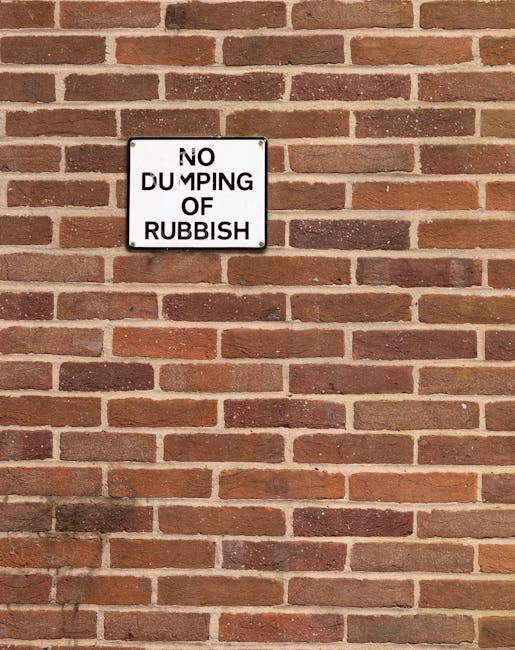
Kensington & Chelsea Council bulky waste rules for Notting Hill
If you live in Notting Hill, bulky waste can become one of those annoyingly specific jobs that suddenly takes over your week. A broken sofa, an old mattress, a wardrobe that will not fit down the stairs, or a stack of renovation offcuts can all create the same question: what are the Kensington & Chelsea Council bulky waste rules for Notting Hill, and what is the cleanest way to deal with them without making a mess of the pavement or the building entrance?
This guide breaks the process down in plain English. You will find what usually counts as bulky waste, how council collection arrangements tend to work in Kensington and Chelsea, what to check before you book anything, and where people in Notting Hill often trip themselves up. It is practical, local, and written for the real world, not the ideal one. Because let's face it, rubbish rarely waits for a convenient day.
Quick expert summary: bulky waste rules are mainly about preventing missed collections, incorrect disposal, and avoidable fines or delays. The safest approach is to identify the item properly, separate reusable from non-reusable pieces, check access and booking requirements carefully, and leave enough time for collection or alternative removal. A little planning saves a lot of faff.
Why Kensington & Chelsea Council bulky waste rules for Notting Hill Matters
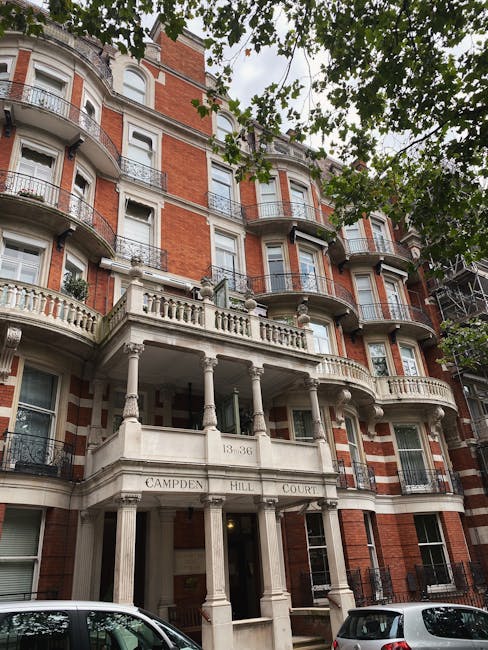
Notting Hill is busy, tightly packed, and full of mixed housing stock. You have mansion blocks, period terraces, basement flats, mews properties, managed estates, and streets where loading space is scarce. That matters because bulky waste is not just about getting rid of an item. It is also about access, timing, and whether the item can be handled safely without causing obstruction.
When bulky waste is left out incorrectly, the consequences are usually boring but frustrating: missed collections, items sitting around for longer than expected, neighbour complaints, or extra handling costs. On narrower streets, one sofa left in the wrong place can become everyone's problem. You will notice it quickly.
The council rules exist to keep pavements clear, reduce fly-tipping, and make sure waste goes through the correct disposal route. That is especially relevant in an area like Notting Hill, where residents often move in and out, refurnish frequently, or clear properties after tenancy changes. A small misunderstanding about what the council will take can turn into a real headache.
There is also a practical side. Many bulky items contain materials that need separating or special handling, and some items should never be mixed into ordinary household rubbish. If you are also planning a broader refresh of the property, maybe alongside house cleaning or a more thorough deep cleaning, it makes sense to line up disposal first so the cleaning stage is not working around old furniture or clutter.
In our experience, the people who manage this smoothly are the ones who treat bulky waste as a small project, not a last-minute chore. Nothing fancy. Just a sensible sequence.
How Kensington & Chelsea Council bulky waste rules for Notting Hill Works
The exact booking method and service rules can change over time, so the safest approach is always to check the council's current guidance before you put anything out. That said, the process usually follows a fairly familiar pattern across London boroughs.
First, you identify the item or items and decide whether they qualify as bulky waste. Think furniture, mattresses, large electricals, or awkward household items that cannot be taken away in normal bins. Then you confirm whether the item is accepted, whether it needs dismantling, and whether any parts must be separated. A broken bed frame with a mattress attached is not the same as a bed frame and mattress arranged neatly on their own. That little detail matters more than you might expect.
Next comes booking and presentation. Councils generally expect items to be placed in a safe, accessible location on the agreed day or collection window. For flats in Notting Hill, this may mean a communal area, a front forecourt, or another designated space. Don't assume the crew can carry items through a narrow staircase or past parked cars without a clear route. They often can't.
There is also the matter of what not to include. Bulky waste collections usually have exclusions. Hazardous items, trade waste, and certain construction materials often need a different route. If you have just finished a flat refresh or a post-refurb clear-out, items from an after builders cleaning job may need checking individually before collection. Wet paint tins, chemical containers, and rubble are the kinds of things that cause confusion.
For larger household clearances, a dedicated house clearance approach can be more efficient than trying to piece everything together item by item. Not every situation needs that, but if you are removing multiple heavy objects, it can save time and reduce repeated lifting. Truth be told, your back will thank you.
Key Benefits and Practical Advantages
Following the bulky waste rules carefully is not just about staying compliant. It also makes the whole job less stressful and usually cheaper in the long run. Here are the main benefits people tend to notice.
- Cleaner kerbside presentation: items are less likely to be rejected or left behind.
- Fewer access problems: planning for narrow streets and stairwells reduces delays.
- Lower risk of complaints: neighbours are less likely to face blocked pavements or unsightly piles.
- Better recycling outcomes: separated items are easier to process properly.
- Less wasted time: you avoid repeated booking attempts or last-minute rearranging.
There is also a psychological benefit, oddly enough. Once the bulky waste is gone, a room suddenly feels bigger. The air changes a bit. A cleared living room, a reclaimed hallway, a hallway that no longer has a lopsided wardrobe leaning at you every time you pass - it makes the whole property feel calmer.
If your larger aim is to reset the home after a move, refurbishment, or tenant change, combining removal with domestic cleaning or targeted end of tenancy cleaning can help everything line up properly. The sequence matters: clear first, clean second, and do the detailed finishing work last.
Who This Is For and When It Makes Sense
This topic is relevant to a wide mix of people in Notting Hill. Some are clearing one item from a flat. Others are dealing with a full room reset after tenants leave, a family bereavement, or a refurbishment. The scale may change, but the basic need is the same: get bulky items removed safely and in line with local rules.
You may need to understand the rules if you are:
- moving out or moving in and replacing old furniture
- upgrading a mattress, sofa, or dining set
- clearing a property after a tenancy ends
- refreshing a rental between occupants
- getting rid of items after a small renovation
- helping an older relative clear a home
- managing a landlord, letting, or block-management task
For landlords and managing agents, the issue is often timing rather than quantity. You need the flat clear, cleaned, and ready for inspection. If bulky items remain, the cleaning stage becomes awkward, especially when you need to reach corners, skirting boards, behind appliances, or the edges of hard flooring. That is where hard floor cleaning or window cleaning can only do so much if the room is still full of old furniture.
For busy households, the sensible moment is often before a weekend reset or at the end of a lease. If you leave bulky items until the very end, the job gets heavier, messier, and more likely to be delayed. Simple as that.
Step-by-Step Guidance
- List every item. Write down what needs to go. Be specific. "Sofa" is okay, but "three-seater sofa with metal legs and no cushions" is better.
- Check whether any item is excluded. Separate out anything hazardous, liquid, sharp, or clearly construction-related.
- Measure the access route. Look at stairwells, hallways, lifts, basement turns, door widths, and street access. This is the step people skip, then regret.
- Dismantle where practical. Remove legs, doors, drawers, or cushions if that makes handling easier and safer.
- Bundle and sort responsibly. Keep reusable, recyclable, and mixed-material items distinct where possible.
- Book the collection or arrange an alternative. Choose the method that fits your timescale and the item type.
- Place the items correctly. Follow the collection instructions exactly, especially in shared buildings.
- Confirm removal and clear the space. Once the item is gone, remove packaging, dust, and leftover fittings so the area is properly reset.
A small but useful tip: take photos before you start. It sounds basic, but it helps when you need to compare what was there, what was removed, and whether any damage happened during access. Not dramatic. Just helpful.
If the job has grown beyond one or two items, you may also want help from a trusted cleaning company once the bulky waste has been handled, so the property is left in a genuinely presentable state rather than merely empty.
Expert Tips for Better Results
Good bulky waste removal is usually won or lost in the details. The big headline is "get rid of the item." The real work is all the small things around it.
- Sort by material first. Wood, metal, textiles, and mixed items may need different handling. Even if the final route is the same, sorting helps you think clearly.
- Protect communal areas. In a mansion block or managed building, lift corners and hallway walls can pick up marks fast. A bit of cardboard or a sheet over the route can save an awkward conversation later.
- Keep timing tight. Place items out only when instructed. In a city area like Notting Hill, leaving waste out too early can attract complaints or get in the way of pedestrians.
- Use a second pair of hands. Even small wardrobes get awkward once you hit the landing. They are just weirdly stubborn things.
- Plan the clean-up too. Once bulky waste is gone, there is often dust, grit, or hidden debris underneath. A follow-on clean saves you from doing the same job twice.
One thing people underestimate is smell. Old upholstered furniture, damp storage items, and long-closed cupboards can release a stale odour as soon as they are moved. If that happens, ventilation and a proper follow-up clean help more than people expect. A room can look tidy but still feel off until the air is refreshed.
If upholstery is part of the problem rather than just a bulky item, services like upholstery cleaning or sofa cleaning can sometimes extend the life of a piece instead of sending it straight to disposal. Not every item is worth saving, of course. But sometimes it is.
Common Mistakes to Avoid
Most bulky waste problems are not complicated. They are usually small mistakes that snowball. Here are the ones that show up again and again.
- Putting items out without checking acceptance rules. If it is not eligible, it may be left behind.
- Blocking shared access. Stairs, entrances, and pavements need to stay usable.
- Mixing prohibited materials with ordinary furniture. One wrong item can disrupt the whole collection.
- Forgetting to dismantle awkward items. A bed base or wardrobe that could have been taken apart becomes much harder to handle.
- Leaving the booking too late. Especially around weekends, holidays, or tenancy turnover dates.
- Assuming cleaning can happen before removal. It usually makes more sense the other way around.
One mild classic: someone removes the sofa, then realises the rug underneath has been there long enough to create its own little weather system. That is the sort of thing a quick plan prevents.
Another common issue is underestimating building rules. Some blocks in Notting Hill have quiet hours, concierge procedures, or loading restrictions that matter just as much as council guidance. The council rules may be one part of the picture, but the building's own access rules can be just as important. Mess that up and you are doing the same dance twice.
Tools, Resources and Recommendations
You do not need a van-full of specialist kit, but a few simple tools make bulky waste easier and safer to deal with.
- Measuring tape: useful for doorways, corridors, lifts, and item dimensions.
- Strong gloves: helpful for splinters, staples, sharp edges, and general handling.
- Screwdriver or Allen key set: ideal for dismantling furniture.
- Heavy-duty bin bags or sacks: for small loose components, fittings, and debris.
- Blankets or cardboard: useful for protecting floors and wall corners.
- Marker pen and labels: handy if you are separating reusable from non-reusable parts.
On the service side, it can help to think beyond removal alone. If the property needs a deeper reset after the bulky items are taken away, you may want support with one-off cleaning for a fresh start, or carpet cleaning where old furniture marks and dust have settled in. If the place has just been vacated and needs to be returned in good condition, end of tenancy cleaning can fit neatly around the removal timetable.
For anyone comparing options, it is also sensible to review provider policies on recycling and sustainability, along with practical safeguards such as health and safety policy, insurance and safety, and terms and conditions. Those pages do not remove the need to think for yourself, but they do tell you a lot about how the business works.
Law, Compliance, Standards, or Best Practice
Without turning this into a legal lecture, it is worth being careful with how bulky waste is handled. In the UK, household waste is expected to be presented and disposed of responsibly, and councils set local rules for what they collect, when, and how it should be placed out. Private waste carriers also have obligations, and responsible disposal matters even when the item is technically your own property.
For residents in Notting Hill, the main best-practice principles are straightforward:
- do not place waste where it blocks public access
- do not assume every large item is automatically accepted
- keep hazardous or specialist waste separate
- follow the exact collection instructions provided
- use a properly managed disposal route rather than informal dumping
If you are dealing with landlord duties, tenancy changeovers, or communal areas, the standard expected is higher because other people are affected by the mess, noise, and access issues. A tidy system is not just nice, it is responsible. There is no glamour in it, obviously, but it avoids trouble.
When something is beyond a normal domestic clear-out, or when you suspect a separate waste stream is needed, it is best to slow down and check before moving anything outside. That extra ten minutes can save a collection rejection or a compliance issue later.
Options, Methods, or Comparison Table
There is no single best method for every Notting Hill property. The right choice depends on volume, urgency, access, and the type of item. Here is a simple comparison.
| Method | Best for | Advantages | Watch-outs |
|---|---|---|---|
| Council bulky waste collection | Single items or smaller household clear-outs | Structured, familiar, usually a practical first step | Acceptance limits, booking times, access rules |
| Private clearance service | Multiple items, quick turnarounds, awkward access | Flexible timing, can handle bigger jobs | Need to check disposal standards and pricing |
| Reuse / donation / resale | Good-condition furniture or appliances | Best outcome for useful items | Time needed to arrange collection or sale |
| DIY transport to disposal route | Households with access to a suitable vehicle | Control over timing and sorting | Manual handling, parking, loading, and time cost |
For many Notting Hill residents, the decision is less about theory and more about stairs, parking, and the clock. If you need the flat turned around fast, a flexible route may make sense. If you are only moving a single sofa and the council option fits your timing, the straightforward route is usually fine. Use the least complicated option that still does the job properly. That tends to be the sweet spot.
Case Study or Real-World Example
A common scenario in Notting Hill goes like this. A tenant leaves a two-bedroom flat with an old mattress, a wardrobe, and a damaged armchair. The property is on an upper floor, the stairwell is narrow, and the landlord wants it ready for photos within a few days. Nothing dramatic, but a bit messy and time-sensitive.
The first step is sorting the items and checking which ones are accepted as bulky waste, which ones need dismantling, and whether the access route is realistic. The wardrobe doors come off. The mattress is separated from the base. The armchair is inspected for any loose fabric or hidden sharp edges. Then the space around the items is cleared so the removal does not scratch the hall walls.
Once the bulky waste has gone, the flat is not finished. There is dust under the wardrobe footprint, fluff around the skirting, and a few marks near the door frame from moving items. That is where a proper finishing clean helps. In this kind of job, pairing removal with cleaners or a more complete house cleaning service gives a much better final result than trying to rush both tasks at once.
The useful lesson? Most bulky waste jobs go smoothly when you think like a planner, not just a remover. Measure, sort, clear, then act. It sounds almost too obvious, but it works.
Practical Checklist
- Confirm exactly what needs to be removed
- Separate bulky waste from hazardous or specialist waste
- Measure access routes, stairwells, and lifting space
- Dismantle items where it makes handling safer
- Check building rules for lifts, loading, and collection windows
- Book the collection or alternative removal method early
- Prepare a clear, safe placement spot
- Protect floors, walls, and shared areas if needed
- Keep reusable items separate from disposal waste
- Follow up with cleaning once the space is clear
Practical takeaway: if you plan bulky waste removal in Notting Hill as a short project with three parts - identify, prepare, then clear - the whole thing becomes much easier to manage.
Conclusion
Understanding the Kensington & Chelsea Council bulky waste rules for Notting Hill is mostly about reducing friction. Know what you have, know where it can go, and know how to present it safely. That alone avoids most of the common pain points: rejected collections, blocked access, unnecessary delay, and the slightly deflating feeling of seeing the same old armchair still there next week.
For many homes and flats, the smartest approach is to combine disposal with a sensible clean-up plan, especially if the room has been lived in for a while or is part of a move-out. A little structure goes a long way. And once the old stuff is gone, the space usually feels lighter almost immediately. That is a nice moment, actually.
If you are comparing removal and cleaning support, start by thinking about your timeline, access, and the final condition you want the property left in. Then work backwards from there.
Get a free quote today and see how much you can save.
Frequently Asked Questions
What counts as bulky waste in Notting Hill?
Bulky waste usually means large household items that do not fit in normal bins, such as furniture, mattresses, and some large appliances. If in doubt, check the item against the council's current guidance before setting anything out.
Can I leave bulky waste on the pavement before collection day?
Usually, no. Items should be placed out only as instructed for the agreed collection time. Leaving them out early can create an obstruction, attract complaints, or lead to the items being moved before collection.
Do I need to dismantle furniture first?
Not always, but it often helps. Dismantling wardrobes, bed frames, or tables can make handling safer and reduce the chance of access problems in narrow Notting Hill stairwells.
What if I have more than one item?
Multiple items may still be manageable, but the mix matters. A small set of accepted items is different from a full property clearance. If the job is growing, consider whether a clearance-style approach is more practical.
Are mattresses treated differently from other bulky items?
They often are in terms of handling and presentation, because they are awkward to move and can contain springs, foam, or fabric layers. Keep them separate if asked to do so, and avoid mixing them with other waste.
What should I do with damaged but usable furniture?
If it is still usable, you may want to explore reuse or resale before disposal. In practice, many people decide quickly whether repair is worth the time. If not, it becomes a straightforward removal job.
How do building rules affect bulky waste in apartment blocks?
They matter a lot. Lift booking, hallway protection, concierge instructions, and quiet hours can all affect how and when items are moved. Council rules and building rules need to work together, not against each other.
Can bulky waste removal be combined with cleaning?
Yes, and that is often the sensible route. Once the items are removed, a follow-up clean can deal with dust, marks, and hidden debris. This is especially useful for moves, tenancy changes, or refurbishments.
What if I only have one item to remove?
Then the process is usually simpler. One item is often easier to assess, measure, and place correctly. Still, check access and collection rules, because one awkward piece can be more trouble than three small ones.
Is it better to use council collection or a private service?
It depends on timing, item type, volume, and access. Council collection is often suitable for smaller domestic jobs, while a private service can be more flexible for urgent or complex removals. Compare practicality, not just price.
What if the item smells or is dirty?
That does not necessarily stop it being bulky waste, but it can make handling less pleasant. Good preparation, gloves, ventilation, and a proper clean-up afterward help a lot. If upholstery is involved, a separate clean may be worth considering before disposal is decided.
Where can I get help if I need the property cleared and cleaned quickly?
Start by clarifying what must be removed, what can be cleaned, and what needs a more specialised approach. If you are working to a tight deadline, combining removal planning with a broader cleaning plan is usually the most efficient route.