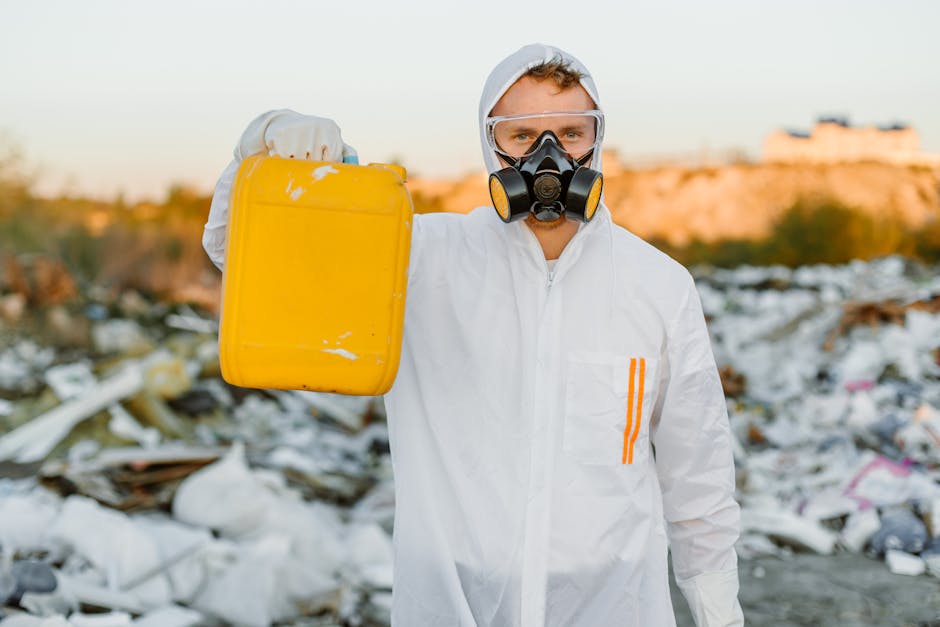
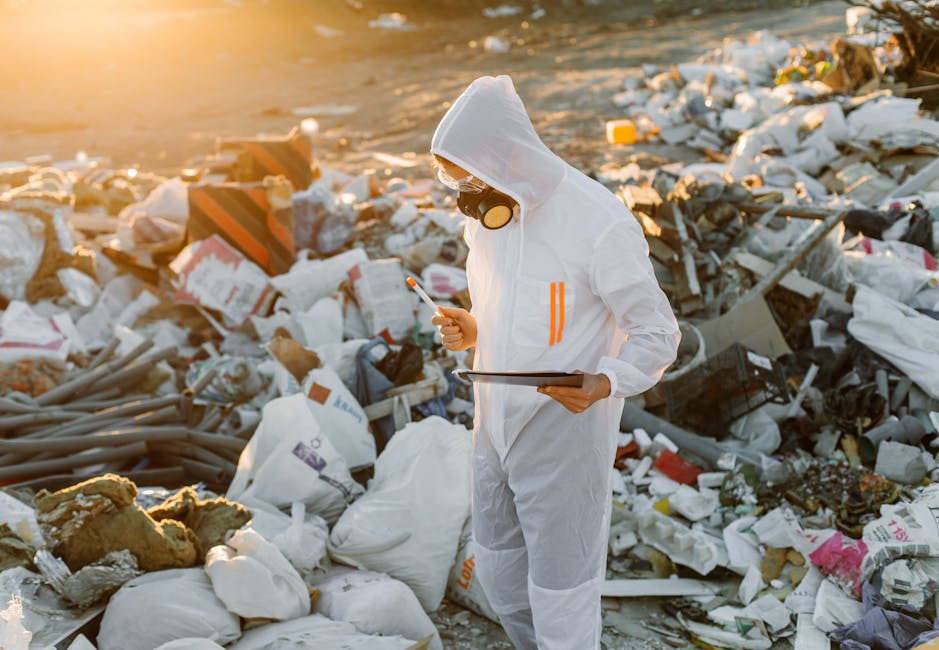
Hazardous chemical disposal laws for Notting Hill cleaners: what to know, what to avoid, and how to stay compliant
If you clean homes, offices, or rental properties in Notting Hill, hazardous chemical disposal laws can feel like one more thing to juggle after a long day. A half-used bottle of bleach, a solvent-heavy stain remover, an old oven degreaser, a drum of mixed cleaning waste - it all adds up quickly. And let's be honest, the rules around disposal are not always explained in plain English.
This guide breaks down hazardous chemical disposal laws for Notting Hill cleaners in a practical way. You'll learn what counts as hazardous waste, why it matters in day-to-day cleaning work, how compliance usually works in the UK, and the sensible steps that help reduce risk. It's written for working cleaners, cleaning supervisors, and small cleaning companies that want to stay safe, stay organised, and avoid the kind of mistake that creates a nasty mess later.
We'll also touch on related best practice across cleaning operations, from health and safety policy guidance to responsible waste handling, so you can build a routine that actually works in real life, not just on paper.
- What it is: the rules and safe practices for handling, storing, and disposing of hazardous cleaning chemicals and contaminated waste
- Why it matters: to protect people, property, the environment, and your business from avoidable harm
- What you'll get here: a clear process, common mistakes, compliance basics, and a checklist you can use straight away
Table of Contents
- Why hazardous chemical disposal laws matter
- How hazardous chemical disposal works in practice
- Key benefits and practical advantages
- Who this is for and when it makes sense
- Step-by-step guidance
- Expert tips for better results
- Common mistakes to avoid
- Tools, resources and recommendations
- Law, compliance, standards, or best practice
- Options, methods, or comparison table
- Case study or real-world example
- Practical checklist
- Conclusion
- Frequently asked questions
Why Hazardous chemical disposal laws for Notting Hill cleaners Matters
Cleaning work looks simple from the outside. Spray, wipe, rinse, move on. But once chemicals enter the picture, the risk profile changes fast. Some products are corrosive, some are irritants, some are flammable, and some become more dangerous when mixed. Add in used containers, absorbent cloths, contaminated mop water, or residues from specialist products, and you can cross into hazardous waste territory without meaning to.
For Notting Hill cleaners, this matters for three reasons. First, the area includes a mix of period homes, apartments, managed buildings, boutiques, offices, and rental properties, so chemical use is varied. Second, waste handling often happens in tight urban settings where storage space is limited and mistakes are easier to make. Third, cleaning teams can work across domestic, commercial, and post-works environments, which means one routine does not fit every job.
There is also the human side. A container left uncapped in a van can leak fumes. A bottle that was never labelled properly can be mistaken for something safe. A bag of contaminated waste can burst open in transit. None of that is dramatic in a movie sense - just the ordinary, annoying, expensive kind of problem that turns into a complaint, an incident report, or worse.
Practical takeaway: if a chemical or cleaning residue could harm people, corrode materials, or contaminate land, drains, or general waste streams, it needs to be treated carefully from the moment it is opened.
That is why established operators often align waste handling with a wider professional cleaning company approach rather than leaving each cleaner to improvise. A consistent process beats guesswork every time. Every time.
How Hazardous chemical disposal laws for Notting Hill cleaners Works
In practical terms, hazardous chemical disposal is about identifying the waste correctly, keeping it separate, storing it safely, and sending it to the right disposal route. The exact legal duties can depend on the type of waste, who produced it, where it came from, and how it is classified. In the UK, cleaners are usually expected to follow general waste duty principles, health and safety obligations, and any relevant local collection or transfer requirements.
For a cleaner, the process often starts long before disposal. It starts when a product is chosen. Can it be diluted safely? Does the job really require a stronger chemical, or would a lower-risk option do the job just fine? Then it continues when the product is used, because leftover material, empty containers, and contaminated rags may need different handling.
Here's the simple version:
- Identify the waste - check what the product is, what it was used for, and whether it is still hazardous after use.
- Separate it - keep hazardous waste away from general rubbish, recyclables, and food waste.
- Contain it - use secure, compatible containers that won't leak, react, or tip over.
- Label it - make sure people can tell what it is and why it is being held separately.
- Store it safely - choose a locked, ventilated, and stable area away from heat and incompatible materials.
- Remove it appropriately - use the correct collection or disposal method rather than tipping, flushing, or hiding the waste in normal bins.
One thing many small teams miss is that "empty" doesn't always mean "safe to throw anywhere." A container with chemical residue can still need careful handling. The same applies to absorbent pads, disposable cloths, and over-saturated wipes used during a spill response.
If your team also handles specialist deep cleans, after-builders jobs, or tenancy turnovers, it can help to pair waste procedures with the workflows used in deep cleaning or end of tenancy cleaning, because those jobs often generate more chemical waste than routine maintenance cleaning. That little bit of planning saves time later. A lot of time, usually.
Key Benefits and Practical Advantages
Good hazardous waste management is not just about avoiding trouble. It makes the whole cleaning operation cleaner, calmer, and more professional. The benefit list sounds dry until you've actually needed it, then it suddenly feels very real.
- Fewer accidents: safer storage and segregation reduce spills, inhalation risks, and cross-contamination.
- Better staff confidence: cleaners work more calmly when they know exactly where used chemicals go.
- Stronger client trust: landlords, offices, and residents notice when a team works neatly and responsibly.
- Less waste confusion: clear rules stop hazardous items from ending up in the wrong bin.
- Lower operational friction: fewer "where does this go?" moments during busy shifts.
- Cleaner audit trail: better records help if a client, manager, or inspector asks questions later.
There is also a subtle business advantage. A team that handles chemicals properly usually handles everything else more properly too - stock control, risk assessments, customer communication, and even how they present themselves on site. It all links together.
For example, a cleaner arriving at a Notting Hill townhouse for a post-renovation job may be dealing with solvent-based residue, plaster dust, and strong degreasers all in one day. If that person has a clear disposal routine, the site feels controlled rather than chaotic. That matters, especially in homes where there are children, pets, or sensitive surfaces nearby.
Who This Is For and When It Makes Sense
This topic is relevant to far more people than you might think. It is not just for industrial waste specialists or large facilities teams. If you handle chemicals in cleaning work, the rules can apply to you in some form.
- Domestic cleaners who use bleach, disinfectants, descalers, or heavy-duty bathroom products
- Office cleaners who manage floor treatments, washroom chemicals, and bulk refill systems
- End-of-tenancy teams dealing with strong degreasers, mould treatments, or mixed waste after a property turnover
- After-builders cleaners using specialist products around adhesives, dust, residue, and coatings
- Window and facade cleaners who may use chemical solutions for glass, frames, or exterior surfaces
- Supervisors and small business owners who need a repeatable process for staff training and compliance
If you mostly use mild, diluted products and have very little chemical waste, your process may be straightforward. If you regularly use stronger products, decant chemicals into smaller bottles, or work across multiple sites in a day, the need for structure grows quickly. That's the point where a formal policy becomes less of a nice extra and more of a sensible baseline.
For teams that also handle property clear-outs, pairing chemical disposal with house clearance work can be useful, because rubbish streams and cleaning waste often overlap in the same job. In the real world, those boundaries are a bit messy. You deal with what's in front of you.
Step-by-Step Guidance
Here's a practical process that many small cleaning teams can use without turning the job into paperwork theatre.
1. Do a quick waste check before you start
Ask what products are likely to be used, what residues will be left behind, and whether anything could count as hazardous after use. This is especially important on jobs involving ovens, bathrooms, mould, post-build dust, or heavy grease.
2. Keep the original labels where possible
Don't rip labels off containers unless there is a proper internal system for relabelling. If the product name, hazard symbols, or instructions disappear, the container becomes a guessing game. And guesswork with chemicals is not a good hobby.
3. Use compatible containers
Store waste in containers that suit the substance. Some chemicals can attack plastic, some react with metal, and some should never be mixed. If you're unsure, treat compatibility as a serious issue, not a technical footnote.
4. Separate incompatible materials
Keep acids away from alkalis, oxidisers away from combustibles, and solvent waste away from sources of heat. Even a small amount of the wrong mixture can create fumes or heat. Nobody wants that in a van after 5 p.m.
5. Control spill risk
Use drip trays, caps, lids, and upright storage. If a bottle is damaged, isolate it immediately and move it into a secondary container. Small things matter here. A tilted bottle is often all it takes.
6. Decide whether the waste is general, recyclable, or hazardous
This decision should be based on the product and contamination level, not optimism. A container that looks "almost empty" may still be hazardous. A rag soaked in solvent may not belong in ordinary waste. If in doubt, handle it more cautiously, not less.
7. Record what left the site
Simple logs are often enough for smaller teams: date, product, approximate quantity, storage location, and disposal route. If you use a licensed waste contractor or transfer route, keep the paperwork and don't bury it in a random folder no one can find later.
8. Train the team on the same routine
A process is only as good as the person using it. Short refresher talks work better than a huge policy document that nobody reads. Keep it practical, and update it when products or services change.
Expert Tips for Better Results
Over time, the best cleaning teams tend to do a few small things consistently. Nothing flashy. Just disciplined habits that make chemical disposal easier and safer.
- Buy only what you need. Overbuying chemicals creates storage and disposal headaches later.
- Prefer lower-risk products where possible. A milder product that still does the job can simplify waste handling.
- Standardise bottles and labels. The fewer formats you use, the fewer mistakes you'll get.
- Keep a dedicated waste box or tote. Mixing waste items into general gear is where problems begin.
- Review high-risk jobs beforehand. Oven cleaning, mould treatment, and post-build work often deserve a separate plan.
- Make one person accountable. Someone should own the process, even if everybody helps.
Another useful habit is to build chemical disposal into the end-of-job routine. Don't leave it as an afterthought at the back of the van while everyone's thinking about the next appointment. Clean the site, secure the waste, check the labels, then move on. It sounds basic, because it is basic. That's why it works.
If your business also offers office cleaning or domestic cleaning, create job-specific waste notes. Different premises generate different residues, and your handling should reflect that. Simple as that.
Common Mistakes to Avoid
Most disposal problems come from a handful of familiar errors. They are common, but still avoidable.
- Pouring chemicals down sinks or drains: this is risky and can create plumbing, environmental, or compliance issues.
- Mixing incompatible products: bleach and acidic cleaners are a classic bad combination, but they are not the only one.
- Leaving uncapped containers in vehicles: spills, vapours, and damaged packaging are all too easy in transit.
- Using unlabelled decant bottles: if no one can identify the contents, it is hard to dispose of safely.
- Treating all waste as general waste: not every residue belongs in the same bag.
- Assuming "empty" means safe: residue still matters, especially with strong or flammable products.
- Skipping staff briefing on new products: one new product can throw off an otherwise good process.
There's also the quiet mistake of being too casual about storage. A shelf that looks tidy but has incompatible products next to each other is not tidy at all. It just looks tidy for now.
One more thing: don't overcomplicate the system until nobody uses it. A simple, repeatable process beats a brilliant one that only two people understand.
Tools, Resources and Recommendations
You do not need fancy systems to manage hazardous cleaning waste properly. You do need the right basics, and you need them to be used consistently.
| Tool or resource | What it helps with | Best for |
|---|---|---|
| Labelled chemical containers | Stops mix-ups and keeps product identity visible | All cleaning teams |
| Secondary containment trays | Contains leaks and drips before they spread | Van stock, storerooms, larger jobs |
| PPE such as gloves and eye protection | Reduces direct contact during handling and transfers | Higher-risk chemicals and decanting work |
| Simple waste log sheet | Tracks what was used, stored, and removed | Small businesses and supervisors |
| Spill kit | Helps contain accidental releases quickly | Mobile cleaners and multi-site teams |
| Job-specific risk assessment notes | Supports safer decision-making before work starts | Specialist or repeat-risk jobs |
A practical recommendation: keep a small "chemical return" area in your storage system. If a bottle is partly used, damaged, or no longer needed, it should have a clear place to go until it is checked and disposed of correctly. Otherwise, it drifts. And drift is where confusion lives.
If your business offers more specialist work, such as oven cleaning or window cleaning, make sure the products used for those jobs have their own handling notes. Those tasks can generate stronger residues than routine dusting or wiping.
Law, Compliance, Standards, or Best Practice
We should be careful here: the legal detail can vary depending on the waste type, the circumstances of the job, and the current UK rules in force. So rather than pretending there is one simple rule for everything, it is better to focus on the core compliance habits that generally apply.
For Notting Hill cleaners, the safest approach is usually to treat hazardous chemical disposal as part of a broader compliance framework that includes:
- Safe storage and handling of hazardous substances
- Clear classification of waste streams
- Separation of hazardous and non-hazardous waste
- Staff training on product use and disposal
- Documented procedures for spills, returns, and disposal
- Checks on contractor suitability where external waste removal is used
Good practice also means reading product safety information before use, keeping substances in their intended containers where possible, and not improvising on the day. If your team works under a formal management system, that system should match the actual jobs you do, not just a generic template copied from somewhere and left to gather dust.
Many cleaning businesses also tie this into wider operational policies. For example, a strong recycling and sustainability approach helps separate recyclable items from hazardous waste, while a robust insurance and safety framework reinforces the need to prevent avoidable incidents in the first place.
If you are unsure whether a substance should be treated as hazardous, use the safer interpretation until it has been checked. That may sound cautious, but cautious is good here. A little caution now can save a very awkward conversation later.
Options, Methods, or Comparison Table
Different teams handle chemical waste in different ways. The right method depends on the size of the business, the type of work, and how much hazardous material is produced.
| Method | Pros | Cons | Best fit |
|---|---|---|---|
| On-site segregation with internal logs | Simple, low cost, easy to train | Needs discipline and clear ownership | Small to medium cleaning teams |
| Dedicated hazardous waste storage point | Improves control and reduces spill risk | Needs space and regular checks | Businesses with larger chemical turnover |
| Collection through a specialist waste route | Often the most structured option | Can involve extra admin and cost | Higher-risk or higher-volume operations |
| Job-by-job small volume return system | Flexible and practical for mobile work | Can become messy without labels | Cleaners travelling between multiple properties |
In practice, many Notting Hill cleaners end up using a mix. For example, a domestic cleaner may use a small return system for leftover product, while a commercial team uses designated storage and a more formal disposal route. That combination often makes more sense than forcing everyone into one rigid model.
If you run both residential and commercial work, it can help to align waste routines with your service mix, whether that includes house cleaning or office cleaners. Different settings, different habits, same need for control.
Case Study or Real-World Example
Here's a realistic example from a typical week in West London. A small cleaning team is called to a refurbished flat near Notting Hill. The job includes bathroom descaling, kitchen degreasing, and post-build residue cleanup. The team uses a strong limescale remover, a solvent-based degreaser, and disposable cloths that are heavily contaminated by the end of the visit.
Without a process, the waste could easily be dumped into one bag, with bottles half-rinsed and thrown in with general rubbish. Not ideal. Instead, the supervisor separates the residue by product type, keeps the remaining liquid in labelled containers, stores the soaked cloths in a dedicated sealed waste sack, and logs the items for proper disposal later. The bottles are checked for residue, the room is aired, and the van stays clean on the way to the next job.
The result? No leaks, no confusion, no panicked phone call two days later because someone found a bottle with no label and a strong smell. Just a straightforward job done properly. Truth be told, that's often the best kind of win.
That same approach works just as well for a busy team handling after builders cleaning or a one-off deep clean. The products may change, but the basic principle stays the same: identify, separate, contain, and record.
Practical Checklist
Use this checklist before, during, and after jobs that involve cleaning chemicals.
- Have you checked which products will be used on the job?
- Are all containers clearly labelled?
- Have you separated hazardous items from general waste?
- Are lids, caps, and seals secure before transport?
- Do you know which items are contaminated cloths, pads, or absorbents?
- Have incompatible substances been kept apart?
- Is there a spill kit available if needed?
- Have team members been briefed on the disposal route?
- Are storage areas ventilated, stable, and out of reach of unauthorised access?
- Have you logged the waste or disposal details where your system requires it?
- Have you checked that leftover product should not be poured into drains or general bins?
- Have you reviewed the job notes for any unusual residues or special risks?
If you can tick most of those without hesitation, you are probably on the right track. If not, that's fine too - the point is to tighten the system before a small issue becomes a bigger one.
Get a free quote today and see how much you can save.
Conclusion
Hazardous chemical disposal laws for Notting Hill cleaners are not something to leave to chance. The practical goal is simple: know what you're handling, keep it separated, store it safely, and dispose of it through the right route. Once that routine is in place, everything else becomes easier. Jobs move more smoothly, teams feel more confident, and the risk of avoidable mistakes drops sharply.
What looks like a small compliance task is often one of the best ways to protect your staff, your clients, and your reputation. And in a busy part of London, where properties vary so much from one street to the next, that sort of consistency really counts.
If you want a calmer, safer, more organised cleaning operation, start with the waste that nobody sees first. It's often the quiet details that keep the whole thing together.
Frequently Asked Questions
What counts as hazardous chemical waste for cleaners?
It usually includes cleaning products or residues that can burn, irritate, poison, corrode, catch fire, or react dangerously. In practice, that can mean certain bleaches, acids, solvents, strong degreasers, contaminated absorbents, and some leftover product containers.
Can cleaners pour leftover chemicals down the sink?
Generally, no. Pouring chemicals into drains can create safety, plumbing, and environmental problems. Even small quantities can be an issue if they are strong, reactive, or mixed with other substances.
Do empty cleaning bottles still need special disposal?
Sometimes, yes. A bottle that looks empty may still contain residue. If it held a hazardous substance, it may need to be handled more carefully than ordinary household waste.
How should Notting Hill cleaners store hazardous products on the job?
Keep them sealed, upright, labelled, and separated from incompatible materials. A stable, ventilated storage area or container is usually better than leaving bottles loose in the back of a van.
What is the biggest mistake cleaners make with chemical waste?
The most common mistake is mixing waste streams or treating everything as general rubbish. That can lead to leaks, unsafe reactions, or disposal in the wrong route.
Do domestic cleaners need a waste policy?
If they use more than very mild products, a simple waste and chemical handling policy is a smart idea. It does not have to be long or complicated, just clear enough that everyone follows the same routine.
How do I know if a cleaning product is hazardous?
Check the product label and any safety information provided by the supplier. If the product is corrosive, flammable, toxic, or clearly marked with hazard warnings, treat it as hazardous unless you have a confirmed safe disposal route.
What should cleaners do after a spill?
Contain the spill if it is safe to do so, protect people nearby, use the right absorbents or spill kit, and isolate the waste. If the spill is large or unclear, stop and escalate it rather than guessing.
Is hazardous waste disposal more important for office cleaners or domestic cleaners?
It matters in both settings. Office work may involve bulk products and larger storage, while domestic work can involve mixed products and frequent transport. The risk just shows up differently.
Do I need records for chemical disposal?
For many businesses, yes, at least in a basic form. A simple log of what was used, where it was stored, and how it was removed can be very helpful for compliance and for your own peace of mind.
How often should cleaning staff be trained on disposal rules?
At induction, whenever new products are introduced, and again as a refresher when routines change. Short and practical is usually best. Nobody needs a lecture at 7 a.m.
What is the safest first step if I'm unsure about a chemical?
Pause, isolate the product, and treat it cautiously until it has been checked. If you are not sure, do not mix it, decant it blindly, or put it into general waste. A careful hold is better than a rushed mistake.